We already know music can change the way we feel. Fast beats can energize a workout, slow songs can bring back memories, and calm instrumental sounds can help us sleep better. But sound healing goes a step further. It focuses on how vibrations and frequencies affect the human body and mind on a deeper level.
Today, sound healing has become one of the fastest-growing wellness practices worldwide. From yoga studios to meditation retreats, more people are exploring sound baths and frequency therapy as a way to reduce stress and reconnect with themselves. And honestly, it makes sense. Modern life feels loud, rushed, and mentally exhausting. Sometimes people are not searching for another productivity hack. They just want peace for one hour.
What Is Sound Healing?
Sound healing is an ancient wellness practice that uses vibrations and sound frequencies to support relaxation, emotional balance, and mental clarity. Different cultures have used sound-based rituals for centuries through chanting, bells, drums, bowls, and musical instruments.
The modern version of sound healing often comes in the form of a “sound bath.” Despite the name, there’s no water involved. The word “bath” simply refers to being surrounded or immersed in sound waves.
Unlike traditional music, sound healing is not about catchy melodies or lyrics. The sounds are slow, repetitive, layered, and vibrational. The goal is not entertainment. The goal is relaxation and nervous system regulation.
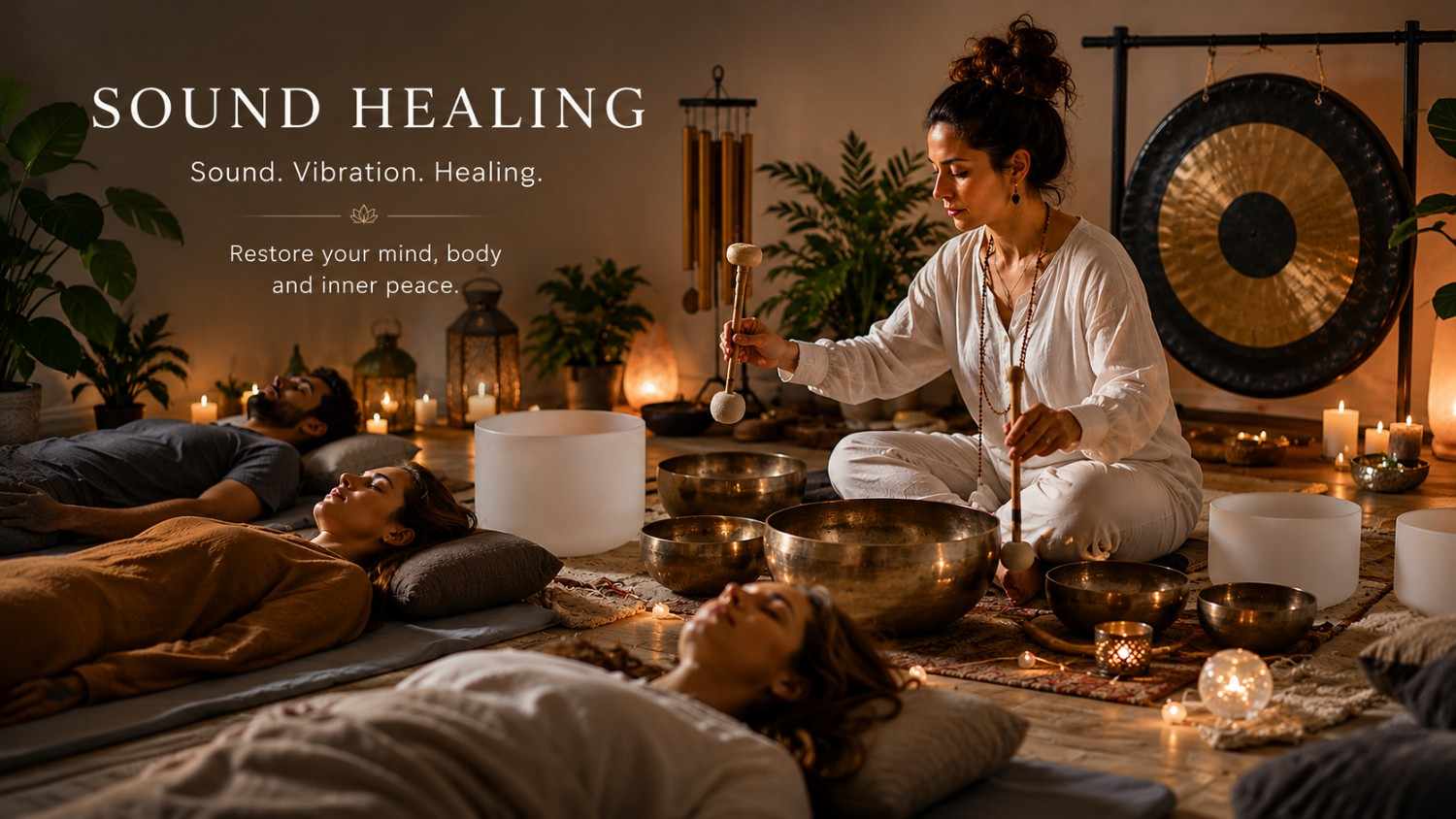
Personally, one of the most interesting things about sound healing is how simple it looks from the outside. Someone lying quietly while bowls and chimes play in the background does not seem powerful at first glance. But many people describe the experience as emotionally intense and surprisingly calming at the same time. That contrast is probably why it has become so popular.
What Happens During a Sound Healing Session?
A typical sound healing session is designed to create deep physical and mental relaxation. Sessions can happen privately or in groups, often in yoga studios, wellness centers, or meditation spaces.
Most participants lie down on yoga mats or meditation carpets while the practitioner guides the session. Comfort matters a lot here. Many therapists provide blankets, cushions, neck pillows, and eye masks to help the body fully relax.
During the session, the practitioner uses instruments such as:
- Chimes
- Tuning forks
- Gongs
- Himalayan singing bowls
- Crystal singing bowls
- Shruti boxes
- Monochords
The sounds may feel unusual at first. They are not polished like a Spotify playlist. Some vibrations are deep and heavy, while others are sharp and echoing. People often say they can physically feel the sound moving through their chest or body.
One detail that deserves more attention is the emotional side of sound healing. Some participants feel peaceful and sleepy. Others suddenly remember old memories or emotions they had ignored for years. Crying during a session is not uncommon.
That emotional release probably explains why people return to these sessions repeatedly. In daily life, many people suppress stress without even realizing it. Sound healing creates a quiet space where the mind finally slows down enough to process emotions.
Most sessions last between 45 minutes and one hour, followed by a short grounding period and hydration.
Kundalini Yoga: A Practical Guide to Energy, Awareness, and Real-Life Benefits
How Sound Healing Affects the Body
Scientifically speaking, sound is vibration. Every sound wave carries energy, and the body constantly reacts to it. Research suggests sound vibrations can influence the brain, nervous system, muscles, and even cellular activity.
Think about everyday examples:
- Loud crashes trigger stress and alertness
- Nails on a chalkboard create physical discomfort
- Ocean waves feel calming
- Soft wind chimes improve mood
These reactions happen because the brain and body naturally respond to sound frequencies.
According to research mentioned in the article, sound therapy may help shift brain waves from active states into calmer patterns associated with relaxation and meditation.
As the body relaxes:
- Heart rate slows down
- Breathing becomes deeper
- Blood pressure may reduce
- Stress hormones decrease
- Feel-good brain chemicals increase
In simple terms, sound healing encourages the body to switch from “survival mode” into “recovery mode.”
My view is that this is probably the biggest benefit of sound healing today. Many people spend hours overstimulated by notifications, traffic, screens, and constant mental pressure. A sound bath forces the nervous system to pause. Even if someone only experiences temporary calm, that still has value.
Potential Benefits of Sound Healing
Research on sound therapy is still developing, but early studies suggest it may help with several mental and emotional health concerns, including:
- Anxiety
- Depression
- Stress
- Fatigue
- Chronic pain
- Cognitive function
- Emotional well-being
Many people also use sound healing as a form of self-care rather than medical treatment. It gives them dedicated time away from work pressure, social media, and endless scrolling.
And honestly, that alone can be therapeutic.
A lot of wellness trends become popular because they look aesthetic on Instagram. Sound healing, however, seems to stay popular because people genuinely feel calmer afterward. Whether someone believes in energy healing or simply enjoys relaxing sounds, the experience can still help reduce mental overload.
Why Sound Healing Is Becoming So Popular
Sound healing has existed for centuries, but modern interest in holistic wellness has pushed it into the mainstream. More people are now searching for non-invasive and drug-free ways to improve mental well-being.
The rise of meditation apps, mindfulness practices, and wellness retreats has also helped sound therapy gain attention.
But there’s another reason behind its popularity: burnout.
People today are mentally exhausted. Work stress, constant news cycles, financial pressure, and social media overload leave very little quiet time for the brain. Sound baths offer something rare — intentional stillness.
That might sound simple, but in a world where silence almost feels uncomfortable, slowing down becomes powerful.
Safety Tips Before Trying Sound Healing
Sound healing is generally considered safe, but a few precautions can improve the experience.
Explore Different Types of Sessions
Not every sound healing session feels the same. Some focus on crystal bowls, while others use gongs or guided meditation. Learning about different approaches can help you find one that matches your comfort level.
Talk to Your Healthcare Provider if Needed
People with serious medical concerns or emotional sensitivities should consult a healthcare professional before attending a session.
Choose an Experienced Practitioner
A qualified sound therapist understands how sound affects the nervous system. It’s always smart to ask about their training and experience before booking a session.
Wear Comfortable Clothing
Loose and comfortable clothes help the body relax more naturally during the experience.
Make Sure the Environment Feels Safe
This point matters more than many people realize. Since sound healing can bring emotions to the surface, participants should feel emotionally comfortable in the environment and with the practitioner.
Final Thoughts
Sound healing may not magically solve every problem in life, and it should not replace medical treatment for serious health conditions. But it can create a rare moment of calm in a constantly noisy world.
That alone makes it worth exploring.
Whether someone approaches it from a spiritual perspective or simply sees it as guided relaxation, sound healing offers something many people desperately need: the chance to pause, breathe, and mentally reset.
And honestly, sometimes the most healing thing is not doing more. It’s finally allowing yourself to slow down.